


effective SEO marketing. This approach is one of the most powerful digital marketing tools available today, enabling brands to enhance their online visibility, attract high-quality leads, and maintain a competitive edge in an increasingly crowded digital marketplace. In this guide, we will explore five of the most valuable SEO books that can assist you in either acquiring a solid foundation in SEO or updating your existing knowledge.
Content marketing is an essential component of SEO marketing, as it plays a significant role in enhancing a brand's visibility. By leveraging content marketing strategies, businesses can not only draw in qualified leads but also establish themselves as thought leaders within their industry. This is particularly crucial in today's online marketplace, where competition is fierce and standing out requires innovative approaches. Therefore, understanding the interplay between SEO and content marketing is vital for anyone looking to succeed in digital marketing. Now, let’s delve deeper into five essential SEO books that can sharpen your skills.
To embark on your SEO journey, it is important to acknowledge that Search Engine Optimization (SEO) can initially appear overwhelming. However, with the right mindset, persistent effort, and a willingness to learn, anyone can establish a solid foundation for success in this field. SEO is not just a one-time task but an ongoing process that requires dedication and adaptability to stay aligned with changing trends and algorithms. By embracing this journey, you can unlock the potential of SEO and its benefits for your digital presence. Let’s begin by understanding the fundamental principles of SEO marketing.
Understanding the Basics of SEO Marketing
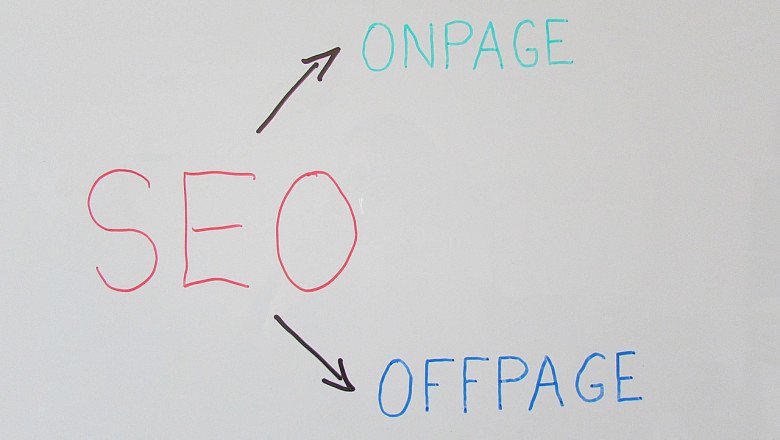
Before diving into specific tactics, it is crucial to grasp the basics of SEO marketing. SEO stands for Search Engine Optimization, a process that involves optimizing your website to enhance its visibility on search engines like Google. This visibility is essential for attracting potential customers who are actively searching for the products or services you offer. When combined with effective marketing strategies, SEO transforms into a powerful tool for engaging and converting users. Understanding how SEO functions lays the groundwork for implementing effective marketing strategies.
Consider how top-ranking cafes achieve their visibility on Google; it is not merely by chance. For instance, when someone searches for the best coffee shop nearby, these businesses have strategically optimized their website content and Google My Business profiles to appear at the top of search results. By employing SEO principles, they ensure that their online presence is both appealing and informative, making it easy for potential customers to find them. This example underscores the importance of thoughtful optimization in achieving high search engine rankings and attracting local clientele.
The ultimate goal of SEO marketing extends beyond merely driving traffic to your website. Instead, the focus should be on attracting the right visitors—those who are genuinely interested in your offerings and are more likely to take action, whether that means purchasing a product, booking a service, or subscribing to your newsletter. By targeting the right audience through effective SEO practices, you can significantly improve your conversion rates and foster a loyal customer base. It is essential to align your SEO efforts with your business objectives to maximize the impact of your online presence.
Know Your Viewers and Keywords
To successfully optimize a webpage, it is vital to understand how users interact with your content. You should ask yourself: Who are these users? What challenges are they trying to overcome? What specific words or phrases do they use while conducting their online searches? Gaining insight into user behavior is key to tailoring your content to meet their needs effectively. Understanding your audience’s preferences and pain points allows you to create more relevant and engaging content that resonates with them.
You can begin this process by brainstorming a list of potential keywords that relate to your business and audience. This initial list can serve as a foundation for further research. Utilize tools such as Google Keyword Planner, Ahrefs, or Ubersuggest to generate additional keyword suggestions and insights. These tools can help you identify popular search terms and trends, allowing you to refine your keyword strategy effectively. A well-rounded approach to keyword research will enable you to target a variety of search intents.
In your keyword research, it is beneficial to consider both short-tail and long-tail keywords. Short-tail keywords, such as “SEO marketing,” are typically broader and can attract a large audience. However, they may not always convert as effectively. On the other hand, long-tail keywords like “how to start SEO marketing for small businesses” are more specific and often indicate a higher level of purchase intent. By combining both types of keywords in your content strategy, you can effectively reach a broader audience while also targeting those who are more likely to engage with your offerings.
Once you have identified the most relevant keywords for your business, it is important to incorporate them naturally throughout your website. This includes using keywords in headings, blog posts, metadata, and other relevant areas. However, be cautious not to overstuff your content with keywords; search engines prefer content that flows naturally and is easy for users to read. Striking a balance between keyword optimization and user experience is essential for maintaining a positive online presence and ensuring that search engines accurately understand your content.
Refine Your Website Framework
Visualize your website as a house; while an impressive façade may capture attention, it is the strength of the foundation that ensures long-term stability. In the realm of SEO, this principle holds true. A well-structured website is essential for both user experience and search engine optimization. By creating a clean and logical layout, you facilitate easier navigation for both users and search engines, enhancing the overall effectiveness of your SEO strategy. A solid website framework lays the groundwork for successful SEO implementation.
One of the fundamental steps in refining your website framework is to organize your site with clear categories and internal links. This organization not only helps users find information quickly but also assists search engines in recognizing and indexing your pages effectively. Clear internal linking structures support the discovery of content across your site, making it easier for search engines to crawl and rank your pages appropriately. Consequently, a well-organized site contributes positively to your overall SEO performance.
Additionally, pay attention to your Meta titles and descriptions by incorporating target keywords relevant to your content. These elements play a crucial role in attracting clicks from search engine results pages. Furthermore, ensure that your site loads quickly and is mobile-friendly, as more than 60% of searches now originate from mobile devices. A fast and responsive website enhances user experience, reducing bounce rates and increasing the likelihood of conversions. By focusing on these aspects, you can significantly improve your website's performance in search engine rankings.
When your website is well-structured, it not only aids Google in crawling your pages but also allows users to find what they need more efficiently. A seamless user experience is essential for retaining visitors and encouraging them to explore more of your content. Remember, the easier it is for users to navigate your site, the more likely they are to engage with your brand and ultimately convert into customers. Therefore, investing time in refining your website framework is a critical step in your SEO marketing journey.
Make Useful and Informative Content
Content remains at the heart of effective SEO marketing. While generating a variety of articles may seem straightforward, the true challenge lies in creating valuable content that addresses the needs and problems of your audience. To establish your brand as a trusted authority, you must focus on delivering content that is not only informative but also engaging. Thoughtful content creation fosters connections with your audience, encouraging them to return for more insights and solutions. Let’s explore some key strategies for creating impactful content.
When planning your content, aim for three primary goals. First, focus on teaching your audience something valuable; remember that nobody knows everything, and well-crafted guides or explainer posts can resonate well with readers. Second, make your content relatable by incorporating relevant examples and stories that connect with your audience's experiences. Third, subtly include soft pitches that lead readers to your offerings without being overly promotional. This approach not only adds value but also positions your brand as the expert your audience seeks.
For example, a travel agency could create a blog post titled “10 European Cities You Didn’t Know You Had to Visit This Year,” which would effectively attract readers seeking travel inspiration. This type of content not only serves to engage potential travelers but also positions the agency as an expert in travel recommendations. By providing valuable insights, you can enhance your brand's credibility and encourage readers to explore your services further. Engaging content that informs and inspires plays a crucial role in driving traffic and conversions.
In addition to text, make use of images, infographics, and data to create visually engaging content that captures the interest of your audience. The incorporation of diverse media types can enhance the overall user experience and make your content more appealing. Remember that quality is more important than quantity; one high-quality piece of content per week can be far more beneficial than several mediocre articles. Consistency in delivering valuable content is key to building a loyal audience and establishing your brand as an authority in your niche.
Create Backlinks for Authority
One of the most significant factors influencing Google’s ranking of your website is the presence of backlinks from other reputable websites. These links signal to search engines that your content is credible and valuable, enhancing your site's authority. Earning high-quality backlinks is an essential part of any successful SEO strategy. By developing a robust backlink profile, you can improve your search rankings and increase your site's visibility in search results. Let’s discuss some effective strategies for acquiring backlinks.
You can earn backlinks through various approaches, such as guest posting on relevant websites within your industry. This not only helps in building backlinks but also allows you to showcase your expertise to a wider audience. Additionally, creating shareable content—such as infographics, research studies, or entertaining articles—can naturally attract links from other websites. Collaborating with influencers or local businesses who can link to your site is another effective strategy to enhance your backlink profile. Building relationships within your niche can lead to valuable link-building opportunities.
However, it is crucial to avoid spammy link-building tactics that promise quick results but can ultimately harm your website's credibility. Focus on acquiring high-quality backlinks rather than a large quantity of low-quality links. For instance, just one backlink from a reputable site like Forbes or HubSpot carries significantly more weight than dozens of backlinks from lesser-known blogs. Prioritizing quality over quantity in your backlink strategy will not only improve your SEO performance but also enhance your brand's reputation online.
Track, Analyze, and Adjust – Step 5
It is essential to recognize that SEO is not a one-time effort; it requires ongoing monitoring and adjustment. Search engines regularly update their algorithms, and user behaviors evolve as well. To stay ahead of the competition, you must consistently track your SEO performance and adapt your strategies accordingly. Regularly analyzing your website's metrics will provide insights into what is working and what could be improved. By staying proactive, you can ensure that your SEO efforts continue to yield positive results.
Utilize tools such as Google Analytics and Google Search Console to gain valuable insights into your website’s performance. These tools can help you identify which keywords are driving the most traffic to your site and how users are interacting with your pages. Additionally, you can determine which types of content are performing well and what areas may require improvement. This data-driven approach allows you to refine your SEO strategy effectively and make informed decisions to enhance your online presence.
For instance, you may find that while traffic to your blog posts is high, your product pages might not be converting as expected. This analysis can prompt you to modify your content, improve your internal linking structure, or refresh your call-to-actions to better align with user intent. Continuously tracking, analyzing, and adjusting your SEO strategies will help you remain agile in a rapidly changing digital landscape, ensuring that you stay competitive and relevant.
Be Precise for Every Task You Perform
The truth about SEO marketing is that results don’t appear overnight; this is a fundamental reality in the digital marketing landscape. To truly excel in the SEO arena, you must embrace patience, persistence, and a long-term commitment. As search engine algorithms and technologies continuously evolve, staying updated on the latest SEO developments is essential for your success. Engaging with trusted sources like Search Engine Journal, Moz, or Neil Patel will not only provide you with invaluable insights into emerging trends and best practices but also empower you to experiment with innovative techniques. By adapting your strategy accordingly, you can secure ongoing success in your SEO efforts. Don’t just follow the trends—lead the way toward your goals.