
The Ultimate Battle: Organic vs. Paid Marketing - Which Strategy Will WIN Your Business?
Picture this: you've just launched your dream business, and you're standing at a crossroads. To your left is a winding path marked "Organic Marketing" - it looks longer but promises lasting results. To your right is a highway called "Paid Marketing" - it's fast, direct, but requires tolls along the way. Which route do you choose? The truth is, MOST successful businesses don't pick just one - they master BOTH.
In today's digital world, marketing isn't just about putting your name out there anymore. It's about creating CONNECTIONS, building trust, & driving real results that impact your bottom line. Whether you're a small startup with a shoestring budget or an established company looking to expand your reach, understanding the difference between organic and paid marketing could be the KEY to unlocking your business potential.
This isn't just another boring marketing article filled with jargon you can't understand. We're going to break down everything you need to know about organic & paid marketing in simple terms. Think of it as your friendly guide to navigating the sometimes confusing world of digital marketing. By the end of this journey, you'll know exactly when to use each strategy, how to make them work together, & most importantly, how to get the BEST results for your specific business needs.
What Exactly IS Organic Marketing?
Organic marketing is like planting a garden in your backyard. You put in the work upfront, water it regularly, give it attention, & over time, you get beautiful flowers or delicious vegetables. It doesn't cost money directly, but it requires TIME, effort, & patience. Organic marketing means getting people to notice your business naturally, without paying for advertisements.
When you post helpful content on social media, write blog posts that answer people's questions, or create videos that teach something useful, you're doing organic marketing. It's called "organic" because it grows naturally over time, just like plants in nature. The best part? Once it starts working, it keeps giving you results even when you're sleeping!
Let's say you own a bakery & you start posting pictures of your fresh bread on Instagram every morning. People begin to notice, they start following you, & eventually, some of them visit your bakery. You didn't pay Instagram to show your pictures to more people - you just consistently shared great content that people wanted to see. That's organic marketing in ACTION.
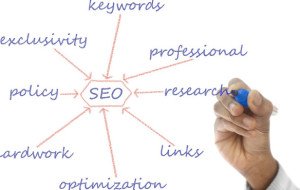
Search Engine Optimization (SEO) is another powerful form of organic marketing. When someone searches for "best chocolate cake recipe" on Google & your blog post appears at the top, that's organic. You earned that spot by creating valuable content that Google thinks is helpful for people searching for that topic.
The MAGIC of Paid Marketing
Now, paid marketing is like taking a taxi instead of walking. You pay money to get somewhere faster & reach your destination without all the effort of walking. With paid marketing, you give money to platforms like Google, Facebook, or Instagram, & they show your business to MORE people right away.
Imagine you're having a big sale at your store tomorrow, but only your regular customers know about it. With paid marketing, you could create an advertisement & show it to thousands of people in your area within HOURS. You're essentially buying attention & putting your business in front of people who might never have found you otherwise.
The beautiful thing about paid marketing is how specific you can get. Want to reach women between ages 25-35 who live within 10 miles of your store & are interested in fitness? You can do that! Want to show your ad only to people who visited your website but didn't buy anything? That's possible too! It's like having a SUPER targeted megaphone that only reaches the exact people you want to talk to.
Google Ads, Facebook Ads, Instagram promotions, & YouTube advertisements are all examples of paid marketing. When you see "Sponsored" or "Ad" next to a post or search result, someone paid money to put that there. The moment you stop paying, the ads stop showing - but while they're running, they can bring IMMEDIATE results to your business.
Organic Marketing: The Pros & Cons You NEED to Know
The biggest advantage of organic marketing is that it's essentially FREE in terms of direct costs. You don't need to hand over money to Facebook or Google every time someone sees your content. Once you create a great piece of content, it can keep attracting customers for months or even YEARS without any additional cost.
Organic marketing also builds genuine trust with your audience. When people find your helpful blog post through a Google search, they don't feel like they're being sold to - they feel like you're genuinely trying to help them. This creates stronger relationships & more loyal customers who are likely to recommend your business to their friends & family.
However, organic marketing has some SERIOUS challenges. The biggest one is time - it can take months before you see significant results. If you need customers walking through your door next week, organic marketing probably won't save the day. It also requires consistent effort & expertise. You need to understand what type of content your audience wants, when to post it, & how to optimize it for search engines.
Another downside is that you can't control organic reach as precisely as paid reach. Social media platforms decide who sees your organic posts based on their algorithms, which change frequently. What worked last month might not work this month, & you have LIMITED control over those changes.
Paid Marketing: The Fast Track with Trade-offs
The most OBVIOUS benefit of paid marketing is speed. You can create an ad campaign in the morning & start seeing visitors to your website by afternoon. This makes it perfect for time-sensitive promotions, new product launches, or when you need quick results to boost your business.
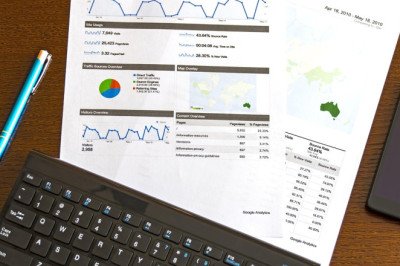
Paid marketing also gives you incredible control & detailed analytics. You can see exactly how many people saw your ad, clicked on it, & made a purchase. This data helps you understand what's working & what isn't, so you can improve your results over time. You can also adjust your campaigns in real-time - if an ad isn't performing well, you can change it or stop it immediately.
But paid marketing comes with obvious downsides too. The most significant one is COST - every click, view, or interaction costs money. If you're not careful, you can spend a lot without getting good results. It requires ongoing investment; the moment you stop paying, your visibility drops to zero.
There's also the trust factor to consider. Many people instinctively skip over ads because they know someone paid to put them there. Some users even use ad blockers to avoid seeing advertisements entirely. Additionally, paid marketing requires learning complex platforms & staying updated with their changing rules & features.
Creating the PERFECT Marketing Mix
Here's where the magic really happens - when you combine organic & paid marketing strategies, you create something much more powerful than either approach alone. Think of them as dance partners who complement each other's strengths & cover each other's weaknesses.
Use paid marketing to give your organic content a boost. For example, create a helpful blog post (organic), then use paid promotion to get it in front of more people quickly. Some of those people will follow your social media accounts or subscribe to your email list, giving you ways to reach them organically in the future. This strategy helps you build long-term relationships while getting immediate visibility.
Another SMART approach is using paid marketing for time-sensitive campaigns while building your organic presence for long-term growth. Run paid ads for your holiday sale while consistently posting valuable content that will attract customers throughout the year. The paid ads bring immediate sales, while your organic content builds the foundation for sustainable growth.
You can also use insights from your paid campaigns to improve your organic strategy. If a paid ad performs really well with a certain audience, you know that topic or message resonates with people. Use that knowledge to create organic content around similar themes. The data from paid campaigns becomes a roadmap for your organic content strategy.
Making the RIGHT Choice for YOUR Business
So how do you decide what's right for your specific situation? Start by honestly assessing your RESOURCES, goals, & timeline. If you're just starting out with a limited budget but plenty of time & energy, focus heavily on organic marketing while experimenting with small paid campaigns to learn the ropes.
If you have a bigger budget but need results quickly - maybe you're launching a new product or facing seasonal competition - paid marketing should be a major part of your strategy. But don't neglect organic entirely; use some of that budget to create quality content that will serve you long-term.
Consider your industry, too. Some businesses naturally lend themselves to organic marketing - if you're a consultant or coach, sharing valuable insights through content marketing can establish your expertise. Other businesses, like e-commerce stores with hundreds of products, might benefit more from targeted paid campaigns that showcase specific items to interested buyers.
Most importantly, remember that marketing isn't about choosing sides - it's about choosing what WORKS. The most successful businesses treat organic & paid marketing as complementary tools in their toolkit, not competing strategies. They understand when to use each approach & how to make them work together for maximum impact.
The marketing landscape will continue to evolve, new platforms will emerge, & strategies will change. But the fundamental principle remains the same: provide value to your audience, whether through helpful organic content or well-targeted paid advertisements. Focus on solving problems & meeting needs, & both organic & paid marketing can help you build a thriving business.
Final Thought
Your journey doesn't have to be perfect from day one. Start with what you can manage, learn from your results, & gradually expand your efforts. The combination of organic authenticity & paid precision could be exactly what your business needs to reach new HEIGHTS & connect with the customers who are waiting to discover what you have to offer.