

Introduction to Email Marketing
Everything happens now." This statement may initially sound convincing, especially considering how much time we spend scrolling through our feeds rather than sleeping. Viral videos emerge every minute, and influencers can establish brands seemingly overnight. Yet, despite these trends in social media, email continues to hold a significant position in the marketing landscape. It is surprising, isn’t it?
The reason numerous businesses, from large corporations to small local shops and even individual creators, continue to invest in Email Marketing is simple: it works. This method is effective, operating quietly and consistently, without the need to beg for algorithmic favor. Email allows businesses to communicate directly with their audience in a manner that feels personal and engaging. In this discussion, we will explore why email remains relevant, how it has adapted over time, and why neglecting it in 2023 would be akin to ignoring customers who are already eager to engage with your brand.
Email Isn’t Trendy — That’s the Point
Social media platforms can crash, trends can fade overnight, and regulatory changes can drastically reduce your reach, as many of us have witnessed firsthand. The unpredictability of social media means that businesses are often at the mercy of algorithms and trends. In contrast with email, you have ownership over your audience. You do not have to wake up one day to discover that your contact list has vanished due to a policy change or because a viral dance trend did not go your way. This level of control makes email a powerful tool.
Email communication is steady, personal, and direct, which contributes to its effectiveness. People consistently check their emails throughout the day—whether they are at work, waiting in line for coffee, or winding down before bedtime. This behavior has become ingrained in our daily routines, distinguishing it from social media habits that may arise from boredom. When a person opens their inbox, they are engaging with content that feels intentional and relevant, setting the stage for meaningful interactions.
What Makes Email So Effective?
Let’s simplify the concept of an effective email strategy. It is not merely about sending out mass emails and hoping for a positive response; rather, it revolves around fostering connections and ensuring timely communication. A robust email strategy entails delivering content that is genuinely useful instead of random fluff. It requires speaking in a conversational tone rather than shouting through a megaphone, creating a more relatable experience for the recipient.
Segmenting your audience is crucial so that each individual receives content that truly matters to them. Additionally, personalizing messages based on the recipient's name, interests, and stage in their customer journey enhances engagement. Consistency in communication is vital, but it is equally important to avoid becoming annoying. This approach resembles having a regular conversation rather than yelling into a crowded room, hoping to attract attention.
As these relationships develop, sales tend to follow naturally. Trust flourishes when your audience perceives you as more than just a business pushing products; they begin to see you as a valuable resource and a trusted voice. When you prioritize meaningful communication, you create an environment where your audience feels welcomed and valued, which ultimately leads to increased loyalty and conversions.
How Email Campaigns Actually Work (Without Tech Jargon)
Let’s strip away the complicated jargon surrounding email marketing. At its essence, the process is straightforward: first, someone expresses interest and provides you with their email address. Next, you send out messages that are helpful, interesting, and relevant to their needs. After that, the recipient may read your email, click on links, reply, visit your website, or even make a purchase. Finally, you track what works and adjust your strategy accordingly.
That’s all there is to it. Email marketing is not magic; it is rooted in consistency and an understanding of human behavior. People appreciate reminders, personal notes, and content that feels tailored to them. With the advent of automation, you no longer need to manually sit at your computer sending one email at a time, as if it were the late 1990s. Instead, you can set up automated campaigns that nurture thousands of leads while you focus on other aspects of your business.
Email vs Social Media — A Quick Reality Check
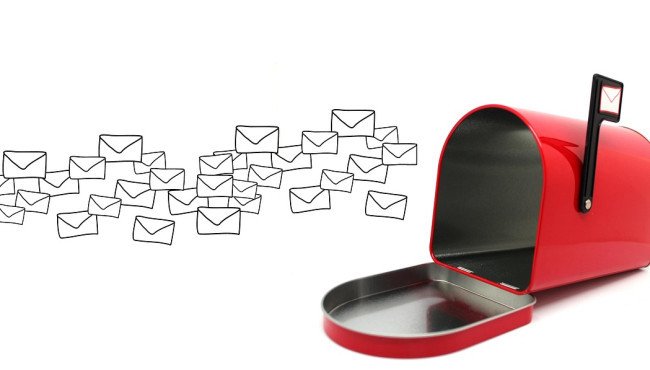
Before you think I am disparaging social media (which is indeed a powerful tool), it’s essential to understand the key differences. When you use email, you control your list of contacts. In contrast, social media platforms control your reach and visibility. Emails are delivered directly to a private inbox, while social media posts are often lost in a crowded, scrolling feed. This distinction significantly impacts how effectively you can engage with your audience.
Moreover, email typically boasts higher conversion rates compared to social media, where engagement can fluctuate based on trends and timing. Email allows for the cultivation of long-term relationships, whereas social media interactions often follow a short attention span and are quickly forgotten. Social channels are effective for raising awareness, but it is through email that meaningful buying decisions often occur.
Consider this: when was the last time you made a purchase simply because you saw a random post on social media? Now, think about the times you bought something after receiving a discount code, an abandoned cart reminder, or a thoughtful newsletter recommendation. The difference is clear. Email marketing does not shout; it gently nudges, and those gentle nudges often lead to conversions.
The Personal Touch Matters More Than Ever
In an increasingly noisy world, the personal touch in communication is becoming increasingly rare, which is why email stands out. An inbox feels private, and when someone chooses to share their email address with you, it conveys a sense of intention and trust. If you communicate like a human rather than a robotic marketer, email transforms into a two-way conversation instead of a one-sided pitch. Customers are more inclined to pay attention to brands that treat them as individuals rather than mere numbers.
To enhance engagement, share stories, insights, and valuable content. People do not subscribe to receive promotions; they subscribe for meaningful connections and useful information. By consistently prioritizing value in your communications, you will see an increase in open rates, click-through rates, and overall audience satisfaction. An engaged audience is one that genuinely looks forward to hearing from you.
So… Is Email Still Worth It? 100% Yes.
If there is one marketing channel that continues to stand the test of time, it is email. This is not because it is flashy or trendy, but rather because it is dependable, predictable, and personal. When executed effectively, email marketing remains extraordinarily effective. It supports retention, fosters loyalty, enhances communication, and drives sales.
Neglecting email marketing in 2023 is not a sign of innovation; it is a missed opportunity to cultivate relationships and generate revenue. If you are hesitant to start, begin with small steps: initiate a simple weekly newsletter, create a welcome email for new subscribers, send out a monthly update filled with valuable tips, or offer a limited-time promotion when new products launch. Each of these actions can help you engage your audience meaningfully.
Always prioritize delivering value in your communications. When you treat your subscribers as real people, they are more likely to remain engaged and support your business far more than any algorithm-driven audience ever could. Building genuine connections with your audience will yield long-term benefits.
Final Thought
Emails are not outdated; they have simply matured. They have evolved from basic broadcast messages into sophisticated, data-driven tools that facilitate emotional connections in digital marketing. Therefore, email marketing is undeniably crucial in 2023, possibly more than ever before. If utilized effectively, it will not only drive traffic or clicks but also foster a community that genuinely cares about your future communications.