

little hesitation involved. This immediate reaction underscores the fundamental strength of email marketing. It transcends mere communication; it is about cultivating relationships and fostering trust that often lead to tangible results that traditional social media or advertisements cannot consistently achieve. Email marketing is a powerful tool that, when utilized effectively, can turn casual readers into loyal customers.
This effectiveness is particularly evident in the statistics. According to a HubSpot report from 2024, email marketing can deliver an astonishing return on investment, yielding $36 for every dollar spent. This remarkable ROI is something that no other marketing medium can consistently replicate. Emails reach consumers directly in their inboxes, a digital space they frequently check throughout the day. In contrast, visibility on social media platforms is often dictated by complex algorithms, making it difficult for brands to ensure their messages are seen. Therefore, through email communications, brands can forge a direct connection with consumers, establishing trust along the way.
Why Email Still Dominates in the Digital Age?
Despite the continual emergence of new digital platforms each year, email remains one of the most effective channels for businesses. As highlighted in the HubSpot report, the unparalleled ROI that email offers solidifies its position as a go-to medium for marketing campaigns. Unlike social media, where the reach is often limited by algorithmic barriers, emails consistently land in a user's inbox, ensuring visibility. This direct line of communication allows brands to engage with consumers in a meaningful way, facilitating trust-building through consistent interaction. Therefore, the act of sharing an email address signifies a significant level of trust from consumers who grant access to their personal digital space, emphasizing the importance of delivering valuable content in every message.
Effective Email Marketing Strategies
1. Start with a Clear Strategy, Not Just a List.
Many businesses make the mistake of beginning their email marketing efforts by simply collecting email addresses. However, they often neglect to define the underlying purpose of their campaigns. Before crafting any email, it is crucial to establish clear goals. Whether the aim is to raise brand awareness, increase sales, or maintain customer relationships, a well-defined strategy is essential. For instance, a fitness studio might send emails promoting their various classes, while a software company could provide educational content to guide free-trial users toward becoming paying customers. By understanding your objectives, you can tailor your email campaign strategy to fit your audience's specific needs. Segmenting your audience into categories such as new subscribers, active users, or lapsed customers allows for a more customized approach in tone, frequency, and content. Relevance is vital in ensuring that your emails resonate with each recipient.
2. Craft Subject Lines That Spark Curiosity.
The subject line of your email plays a critical role in determining whether the recipient will open it or disregard it entirely. Research by Campaign Monitor indicates that 47% of individuals decide to open an email based solely on its subject line. Therefore, it’s essential to create engaging subject lines that pique curiosity, such as “Your Early Access to This Month’s Must-Have Deals,” rather than a generic “Our November Newsletter.” The latter fails to create a sense of anticipation or exclusivity. Aim to keep your subject lines concise, ideally under 50 characters, and avoid using spam trigger words like “Free!!!” Always prioritize authenticity over gimmicks to foster trust with your audience.
3. Personalization Means More Than Just a Name.
We've all received those generic emails that start with “Hi (first name).” While this is a good initial step, true personalization goes much deeper. It involves tailoring the content based on the recipient's behavior, preferences, and past interactions. For example, streaming services like Netflix not only address users by name but also provide recommendations based on their viewing history. This level of intelligent personalization is achievable even for smaller businesses through effective email marketing strategies. According to Statista, personalized email campaigns can boost click-through rates by 29% and conversion rates by 41%. When you send the same email to every recipient, you risk missing out on significant engagement opportunities.
4. Timing and Frequency Matter More Than You Think.
Even the most well-crafted email can fail if sent at an inappropriate time. Research has shown that Tuesdays and Thursdays are optimal days for sending emails, with Tuesday at 10:00 AM and Thursday afternoons yielding the best results. Understanding your audience's behavior is also crucial; for instance, a B2B audience may be more responsive during standard work hours, while a fashion retailer might see better engagement during evenings or weekends. Additionally, finding the right balance in email frequency is essential. Over-communicating can lead to unsubscriptions, while prolonged silence may cause recipients to forget your brand. It is crucial to test, analyze, and adjust your strategy until you discover the optimal frequency for your audience.
5. Content That Feels Like a Conversation.
It's important to move away from robotic or overly corporate emails. Instead, write as if you are having a conversation with a single person rather than broadcasting to a large audience. Use simple language, short sentences, and a warm, friendly tone to create a more engaging experience. Avoid overly formal communication; ask yourself if you would speak in that manner to a friend or family member. Each email should aim to provide value, whether that's useful information, updates, or benefits. Even promotional emails should strive to offer something meaningful beyond just a sales pitch.
6. Visuals and Design: Simplicity Wins.
The visual design of your emails plays a significant role in user engagement. A cluttered layout with excessive images or lengthy blocks of text can overwhelm recipients. Instead, maintain clear designs that incorporate your brand colors while ensuring that your call-to-action (CTA) stands out prominently. Additionally, it is imperative to optimize your emails for mobile devices, as over 70% of users access their emails on smartphones. A slow-loading or disorganized design can severely diminish user engagement. A straightforward, scannable structure that includes a headline, short paragraph, image, and CTA is generally more effective than complex templates or lengthy newsletters.
7. Use Automation, but Keep It Human.
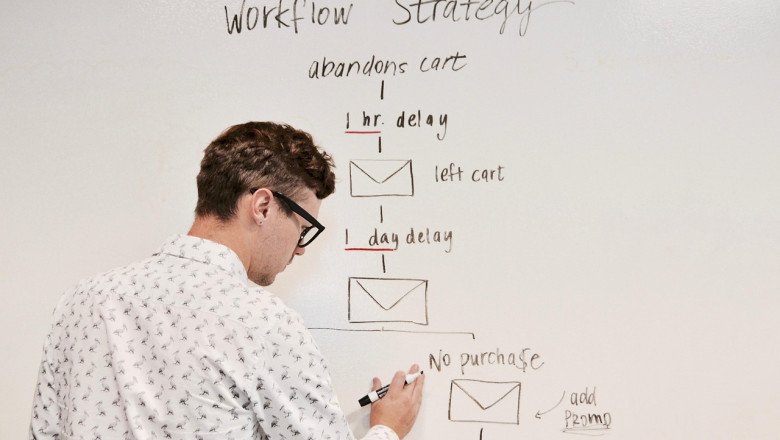
While automation can help save time and maintain consistency in your email campaigns, it is crucial to ensure that your messages do not come across as mechanical. Automated emails, such as welcome messages, cart reminders, or re-engagement campaigns, should be crafted to feel personal and tailored to the recipient. For example, a “We Miss You” email can be set up to automatically reach out to lapsed customers, offering a personalized discount to encourage their return. Although this approach is automated, it still retains a thoughtful touch. Tools like Mailchimp and Klaviyo allow you to track open rates and automatically segment your audience, enabling you to scale your efforts without sacrificing authenticity.
8. Test Everything--Then Test Again.
The most successful marketers do not rely on assumptions; they prioritize testing. Conducting A/B tests on various elements of your emails, from subject lines to CTAs, can provide valuable insights into what resonates with your audience. For example, using emojis might enhance open rates, while shorter content could lead to better engagement than longer emails. The only way to ascertain the effectiveness of these strategies is through experimentation. Continuous monitoring of metrics, such as open and click rates, will provide insights that can shape a more data-driven email marketing strategy, improving your results over time.
9. Respect Privacy and Build Trust.
Privacy is a significant concern for individuals, and any spammy tactics can severely damage your brand's credibility. It is essential to make the unsubscribe process easy, avoid overpromising, and adhere to regulations like GDPR or CAN-SPAM. When customers see you as trustworthy with their inboxes, they are more likely to engage with your content over the long term. Building a loyal brand requires transparency and respect; even the best automation tools cannot replace the value of a genuine human connection.
10. Measure What Truly Matters.
Success in email marketing goes beyond merely looking at open rates. It is vital to focus on metrics that align with your specific business goals, such as conversions, revenue, or customer loyalty. For e-commerce brands, tracking how many recipients click through to make a purchase is essential. In the B2B space, assessing lead quality and engagement over time is crucial. Email marketing should not be about vanity metrics; instead, it should aim for meaningful outcomes. Utilize data to identify what is working effectively and, more importantly, what requires improvement for long-term success.
Final Insights
The secret to successful email marketing does not lie in sending more emails, but rather in sending better ones. Each message presents an opportunity to educate, inspire, or delight your audience. By treating every subscriber as a unique individual rather than just another data point, you can create emails that people genuinely look forward to receiving. When implemented correctly, email marketing acts not as an interruption but as an invitation. This distinction is what transforms a mere campaign into a lasting connection.