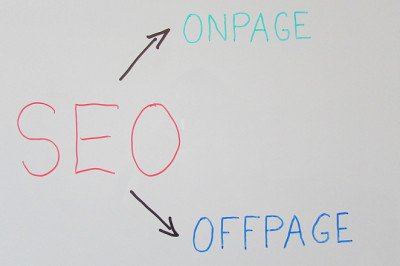



art and science dedicated to enhancing your business's visibility and engagement on search engines. By employing effective SEO strategies, your website can not only attract visitors but also establish credibility, which is essential for long-term growth. This process involves optimizing various elements of your online presence to ensure that potential customers can easily find you. In essence, SEO is about making your online presence relevant and noticeable amidst the competition.
Introduction to SEO Marketing
Understanding the Importance of SEO
Why Is SEO Still the Backbone of Digital Success?
While having a visually appealing website and a compelling brand voice is important, these factors become irrelevant if potential customers cannot discover your site. According to BrightEdge, organic search accounts for over 50% of all website traffic, underscoring the significance of SEO as a powerful tool for boosting online visibility. This statistic highlights how crucial it is to implement effective SEO measures to attract users to your site. When your website ranks highly in search engine results, it signals to users that your site is credible and relevant, encouraging them to visit. Ultimately, SEO serves as a digital signpost guiding potential customers to your business.
The true power of SEO lies in its ability to create awareness for your brand even while you are away. Unlike traditional marketing methods that require constant attention, effective SEO strategies can continue to attract visitors to your website around the clock. This means that while you sleep, your website can still be drawing in potential customers, leading to increased engagement and conversion opportunities. Therefore, investing in SEO is not just about immediate results; it is about laying the groundwork for sustained growth over time. In this way, SEO becomes an essential component of any successful digital marketing strategy.
Key Aspects of SEO Marketing
1. Understanding How SEO Marketing Works
The primary objective of SEO is to optimize your website in accordance with the needs and preferences of users. As search engines have evolved, the importance of page relevance and authority has surpassed that of merely incorporating keywords. When a user enters a search query, the search engine meticulously scans a vast array of web pages to identify content that is both relevant and trustworthy. The more effectively you optimize your website—through quality content, structured data, and strong backlinks—the higher your site will rank in search results. This optimization process is essential for ensuring that your website stands out in a competitive digital environment.
For instance, if you are a bakery owner in Chicago and have tailored your site to optimize for the phrase “best custom cakes in Chicago,” your chances of appearing in local search results for that specific query increase significantly. This targeted visibility is crucial, as it not only drives traffic to your site but also enhances the likelihood of conversions rather than merely generating clicks. By focusing on specific keywords relevant to your business, you can connect with potential customers actively seeking your products or services, thereby increasing your chances of success.
2. Building Authority and Credibility
Achieving a high ranking on Google is not solely about gaining visibility; it is also about establishing trust and authority. Users often associate top-ranking pages with credibility, meaning that appearing on the first page of search results can significantly enhance your brand's reputation. Research from Backlinko indicates that nearly 54% of all clicks are directed at the top three results on Google. Given that most users rarely scroll past the first page of search results, this highlights the importance of optimizing your site to build and maintain a positive reputation. Thus, SEO plays a critical role in shaping how potential customers perceive your brand.
Search engines evaluate the reliability and relevance of a website based on factors such as high-quality backlinks, well-structured content, and regular updates. By focusing on these elements, you can increase your domain authority, making it easier to achieve higher rankings in the future. Building this authority is not a one-time effort but rather a continuous process that requires consistent attention and improvement. By investing in SEO, you are not only enhancing your visibility but also cementing your position as a trusted source in your industry.
3. Driving Consistent, Organic Traffic
While paid advertising can provide a quick influx of local attention, SEO offers a sustainable approach that fosters long-lasting growth. Once your content achieves a high ranking, it can continue to attract traffic for months or even years without the need for ongoing ad spending. This is particularly advantageous for businesses looking to maximize their return on investment. For example, consider a small e-commerce store that regularly publishes blog posts such as “How to Choose the Perfect Running Shoes,” optimized with relevant keywords. Over time, this approach can lead to a steady stream of new visitors, many of whom may later convert into paying customers.
Unlike paid advertising campaigns, which cease to generate results once the budget is exhausted, SEO efforts build upon themselves over time. As you continue to optimize and enhance your website, the benefits compound, leading to even greater visibility and traffic. This makes SEO a worthwhile investment for businesses seeking to improve their online presence and engage with their target audience effectively. By prioritizing SEO, you can ensure that your digital marketing strategy yields the best possible results over the long term.
4. Enhancing User Experience
Search engines like Google prioritize quality user experience over mere keyword density. Your SEO ranking is influenced by various factors, including website speed, mobile-friendly design, and intuitive navigation. A study conducted by Portent revealed that conversion rates decrease by an average of 4.42% for each additional second of load time. Therefore, improving your website's performance not only benefits SEO but also positively impacts your bottom line. Ensuring that users can quickly find what they are looking for enhances their experience and increases the likelihood of conversion.
When users can easily navigate your site and find relevant information without frustration, search engines take notice and reward you with higher rankings. This highlights the importance of creating a user-centric website that prioritizes functionality and accessibility. By focusing on user experience, you not only cater to your audience’s needs but also improve your chances of success in search engine rankings. In today’s competitive digital landscape, a positive user experience is vital for fostering loyalty and encouraging repeat visits.
5. Local SEO: Succeeding in Your Community
Local SEO is an invaluable asset for small and medium-sized businesses looking to thrive in their communities. Google's local algorithm becomes particularly relevant when users conduct searches like "coffee shop near me" or "best dentist in [city]." To ensure your business appears in these local searches, it is crucial to optimize your Google Business Profile and actively collect customer reviews. Consistency in contact information across all directories is another vital aspect of local SEO that cannot be overlooked.
Research indicates that approximately three-fourths of individuals who perform a "near me" search visit a business on the same day. This statistic underscores the potential benefits of local SEO in driving foot traffic and increasing sales for local businesses. By leveraging local SEO strategies, you can connect with customers in your area and enhance your visibility in relevant searches. Consequently, investing in local SEO can significantly contribute to the growth and success of your business within your community.
6. Optimize Your Content Using the Language of Your Target Audience
The foundation of any successful SEO marketing strategy lies in the creation of quality content. However, it is essential to recognize that effective content creation goes beyond merely inserting keywords into paragraphs; it involves addressing the questions and solving the problems that your audience faces. When your content resonates with what people are genuinely searching for, you position yourself as an expert in your field. For example, a real estate agency might publish a blog post titled “Top 5 Mistakes First-Time Homebuyers Make,” which serves to educate readers and build trust in the agency's expertise.
Moreover, strategically placing keywords, incorporating internal links, and formatting your content for readability all contribute to enhancing your visibility to both search engines and users. By paying attention to these aspects, you can create content that not only attracts search engine attention but also engages and informs your audience. Ultimately, the goal is to provide value that meets the needs of your target audience while adhering to SEO best practices. Crafting high-quality content is a crucial step toward achieving your overall SEO objectives.
7. Measuring Results That Matter
One of the most appealing aspects of SEO is its data-driven nature. Tools such as Google Analytics and Search Console enable you to track the effectiveness of your SEO efforts and identify areas for improvement. By monitoring essential metrics such as organic traffic growth, keyword rankings, bounce rates, and conversion rates, you can gain valuable insights into your website's performance. These metrics allow you to understand what is working and what isn’t, guiding your optimization efforts.
If you notice that a particular page attracts visitors through search queries but has a high bounce rate, this serves as a clear indicator that improvements are necessary. Enhancing the content or design of the page can lead to better user engagement and conversion rates. SEO is not a one-time task but rather an ongoing cycle of testing, tweaking, and growing. By continuously measuring and optimizing your website, you can ensure that your SEO strategy remains effective and relevant over time.
A Final Thought
The essence of SEO marketing lies in acquiring the right type of attention for your business. By aligning your offerings with the needs and interests of your target audience, you can position yourself to be discovered precisely when potential customers are searching for your services. A well-crafted SEO strategy not only enhances your visibility but also fosters authority, trust, and growth. As long as you approach SEO mindfully, it will ensure that your business remains relevant in the digital landscape. Ultimately, effective SEO guarantees that your voice is not only heard but also remembered by those who matter most.